

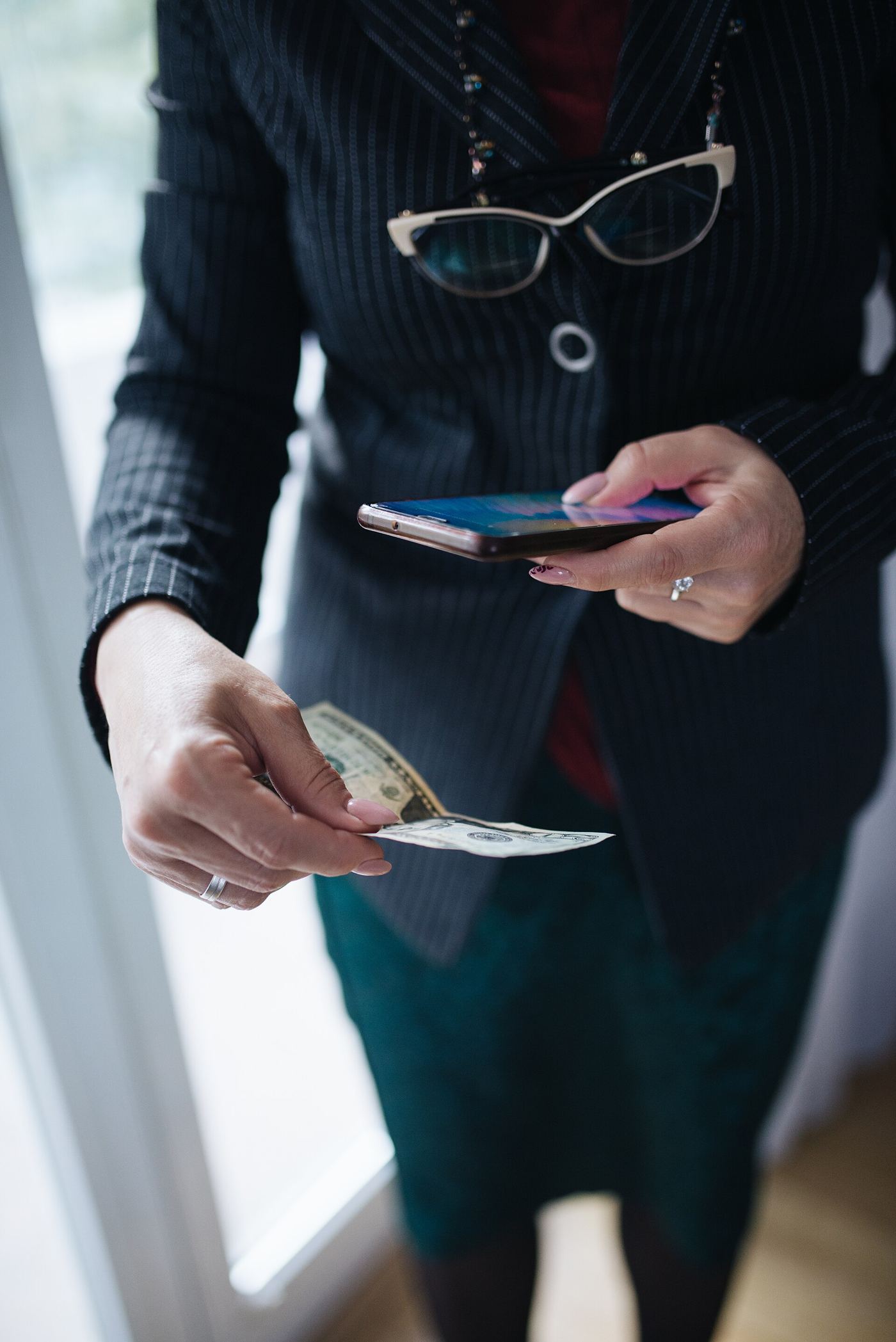
Downloading a wallet is the moment many people first take control of digital assets, and it is also a moment that deserves a pause. Fake applications imitating well-known wallets have repeatedly appeared in app stores and search results, designed to steal funds from users who install them in a hurry. Checking that an app is genuine takes only a few minutes: download it from the official website link or verified store listing, check the developer name carefully, read recent reviews for warnings, and be suspicious of any app that asks for a recovery phrase immediately. A genuine wallet never needs you to share that phrase with anyone, online or in person, under any circumstances. Friends and family new to digital assets benefit from the same advice, and sharing a short checklist before they start can prevent the most common and costly beginner mistakes.
What the Evidence Shows
Once installed, small habits keep a phone wallet safer. Keeping the app and the phone operating system updated closes known security flaws, while a strong device lock and biometric sign-in add a barrier if the handset is lost. Many experienced users keep only modest amounts in a mobile wallet for everyday use, holding larger balances in separate storage, much as people carry limited cash. Testing a new wallet with a very small transfer first confirms that addresses and confirmations behave as expected. None of these steps requires technical expertise, only the same scepticism people already apply to banking apps, applied consistently to a newer kind of software. If an application has already been installed from a suspicious source, moving funds to a freshly created wallet from a verified app is the cautious step security guides recommend. Reporting and analysis from sources such as CoinDesk track the same developments, and specialists following verifying a genuine crypto wallet app say the direction is now consistent across independent lines of evidence.
The Wider Context
Market structure around verifying a genuine crypto wallet app has matured in measurable ways: deeper liquidity, professional custody and surveillance-sharing agreements that exchanges once resisted. None of that removes volatility, and regulators repeat that message in every publication. What it changes is the kind of failure investors face, from disappearing venues toward ordinary, legible market risk.
What Happens Next
The outlook for verifying a genuine crypto wallet app is best stated in scenarios rather than predictions, because this market still moves on sentiment as much as on fundamentals. The structural trends, institutional participation, regulated products and better consumer protection, point one way; the price charts will continue to point in several directions at once. Separating those two statements is the beginning of competence here. You can follow related developments in our coverage of crypto.
It is also worth remembering how quickly the picture in this area has changed before. Positions that looked settled a few years ago have been revised as new data arrived, and the same humility is appropriate now. The strongest coverage of this subject, and the most useful advice, tends to come from sources that update their views openly when the facts move, rather than defending an earlier position long after it has stopped fitting the evidence available.
